
Most homeowners believe renovation begins the day they receive the keys.
The space is empty, the possibilities feel immediate, and the instinct is to begin straight away.
In reality, by the time demolition is scheduled, a substantial part of the project has already taken place.
Renovation is not simply construction. It unfolds through a sequence of preparation, decisions and coordination that shape the outcome long before physical work begins. When the process is allowed to unfold, the project moves steadily and with far fewer interruptions later on.


A significant portion of this work happens in the early months before any demolition takes place. This phase can feel quiet compared to the activity of construction, but it establishes the foundation for everything that follows. During this time the floorplan is refined, materials are explored, contractors begin pricing the scope of work and drawings gradually develop from ideas into buildable plans.
Clients rarely arrive with a fully formed design direction. More often they bring a collage of ideas gathered over time. Reference images, materials, styles from different homes or places they admire. Part of the design process is interpreting these ideas and shaping them into something coherent.
Not every reference translates easily into every home. Proportions, structural constraints, climate and budget all influence what will ultimately work well. The early stages of a project are therefore about editing and refining until a clear direction emerges, one that can be executed properly and will feel cohesive once completed.

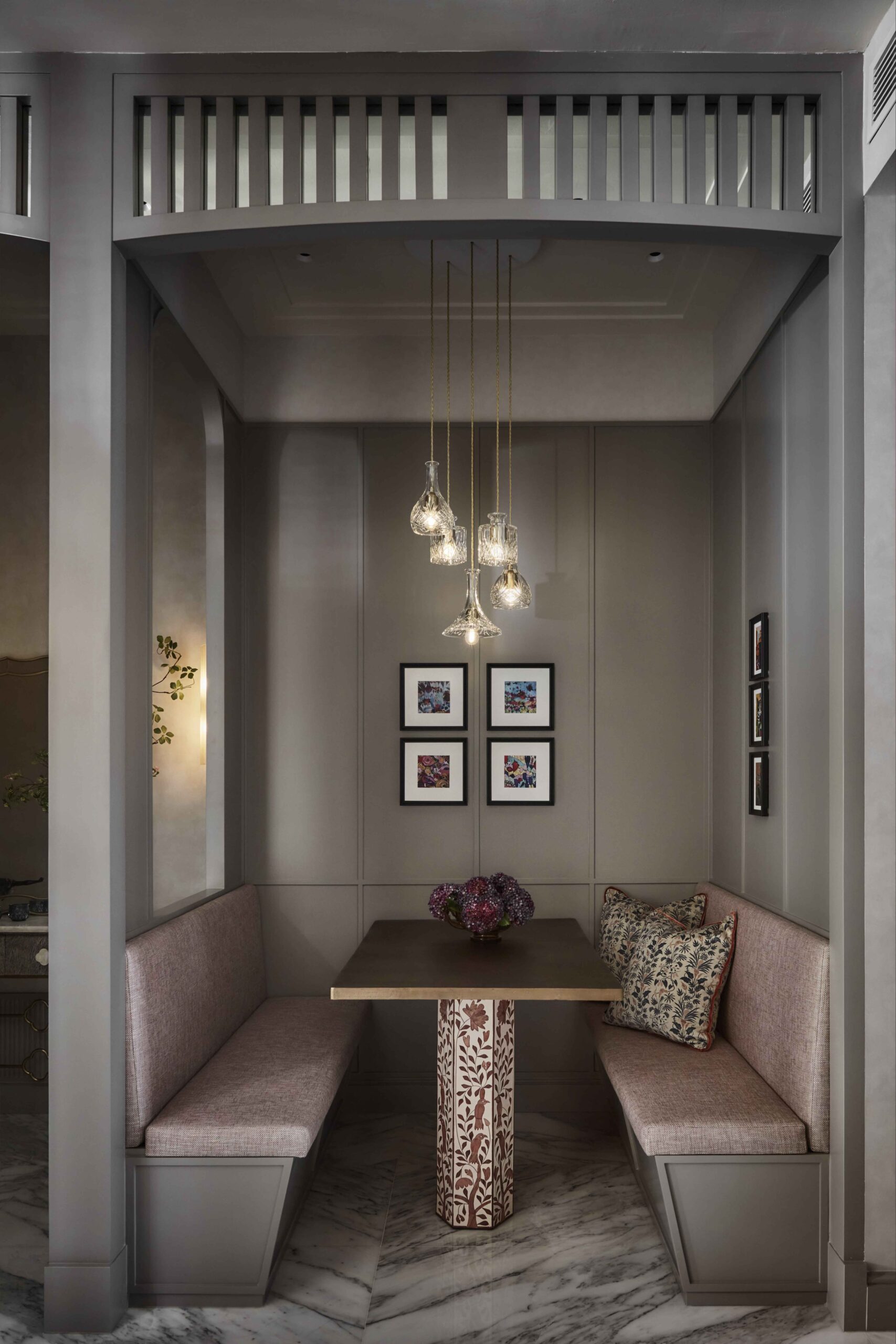
Alongside this creative work, many practical decisions must be resolved. Appliances need to be confirmed so services can be planned accurately. Bathroom layouts determine how plumbing will run through the walls. Storage, lighting and connectivity all influence how the home will function day to day. These details rarely attract attention at first, but they shape the experience of living in the space long after the renovation is finished.
As the design develops, drawings begin to move from sketches into more detailed documentation. Contractors are invited to provide quotations based on the developing scope of work, while materials and fixtures are explored in greater depth. At this stage some of the pricing is necessarily based on initial assumptions, because certain decisions will still be evolving.
Once the property becomes vacant, another valuable phase begins. Having uninterrupted access to the empty home allows us to verify measurements, study proportions and refine details in ways that are difficult while the apartment is still occupied. Most homeowners have only seen their future home a handful of times before the purchase is completed. Experiencing the space again, quietly and without pressure, often reveals things that were not obvious during viewings.
This period also allows the design to be developed to a much greater level of detail. When drawings and specifications are clarified before demolition begins, contractors can price the work more accurately and the number of variations during construction is reduced. It may appear slow compared to the visible activity of building, but this preparation prevents many interruptions later.
The value of this preparation becomes clear when decisions change after construction has begun. In one project we had proposed replacing the flooring during the early planning phase. At the time the client preferred to retain the existing floors to manage costs. Once the apartment was empty and the condition of the flooring became fully visible, the decision was reconsidered.


Replacing the floors at that stage required new permits, demolition work and sourcing marble that had not originally been planned. Because the schedule had already been coordinated around the earlier decision, the sequence of trades had to shift as well. Carpentry that had been reserved for the project moved to another site, and the overall timeline extended as a result.
Had the flooring been addressed earlier as originally proposed, the work would have integrated naturally into the renovation rather than disrupting the sequence that followed. Situations like this illustrate how closely connected the different phases of a project can be. A single change can create a ripple that reaches much further than expected.
Procurement introduces its own rhythm. Many of the materials and objects that give a home its character are not immediately available. Imported tiles can take weeks to arrive. Marble needs time for cutting and finishing. Bespoke furniture requires design development, production and shipping. These timelines are part of building well, and they are most manageable when they are considered early in the process.
Once construction begins, the work becomes more visible. Demolition and first fix services may take several weeks, followed by months of carpentry, finishes and installation. Furniture arrives, lighting is installed and final adjustments are made before the home is ready to be lived in.
Seen on its own, the construction stage can feel like the centre of the renovation. In reality it is only one phase in a longer process that includes planning, documentation, coordination and procurement. When all of these stages are accounted for, it is not unusual for the full journey from early planning to completion to take close to a year.
This timeframe reflects the scale of what is being undertaken. A home is often one of the most significant investments a person makes. The renovation that follows determines how that investment will be experienced every day. Approaching the process with care allows the design, craftsmanship and materials to come together in a way that feels coherent rather than hurried.
Our work also unfolds across multiple projects at the same time, each at a different stage. While one home may be in demolition, another may be deep in drawing development and another coordinating procurement. The schedule is structured so that each project receives focused attention during the phases when it matters most.
When decisions are made thoughtfully and the sequence of work is allowed to progress naturally, renovation becomes far more manageable. Planning supports construction, and construction becomes the continuation of the preparation that came before it.
The home is not built when construction starts, but when decisions begin to align.